Substack: the secret tool to podcasting success

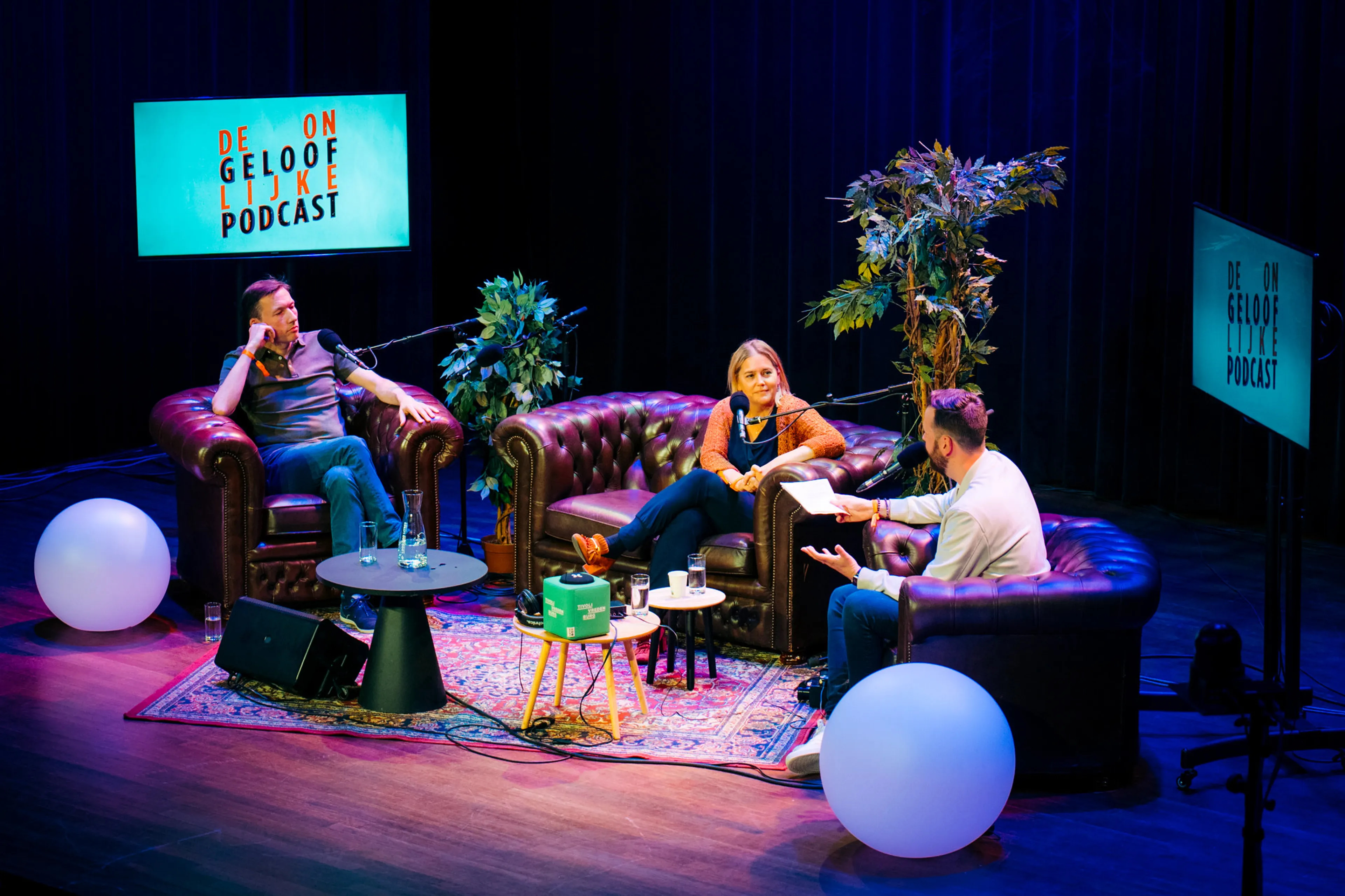
At Nederlandse Publieke Omroep (NPO), public content follows a strict principle known as coordinated media offering. In practice, this means content can only be distributed structurally on a limited set of approved platforms, such as X, Instagram, Facebook, TikTok, or YouTube. The system provides clarity, consistency, and scale, but it also means innovation often lags behind where audiences and creators are actually moving. To explore new possibilities, the team at Evangelische Omroep (EO) and the creators of De Ongelooflijke Podcast, a five-year-old show about faith, meaning and philosophy in an increasingly secular Netherlands, looked beyond the usual platforms. Substack offered something those channels could not: a slower environment where algorithms matter less, conversations last longer and the relationship with the audience is more direct.
How a small, but serious innovation case fostered a strong community.
The podcast had built a loyal audience over the years. Still, the community remained scattered across various media, including podcast apps, social media snippets, radio and TV broadcasts and occasional live theater events. The team realized that something was missing, a space to slow down, where reflection between episodes could truly take place.
Unwilling to build their own platform due to possible high costs and risk. The team decided to experiment with Substack. The choice proved crucial, not just as a newsletter tool, but as a unique way to build a relationship with their audience in the age of algorithms.
Quality above all
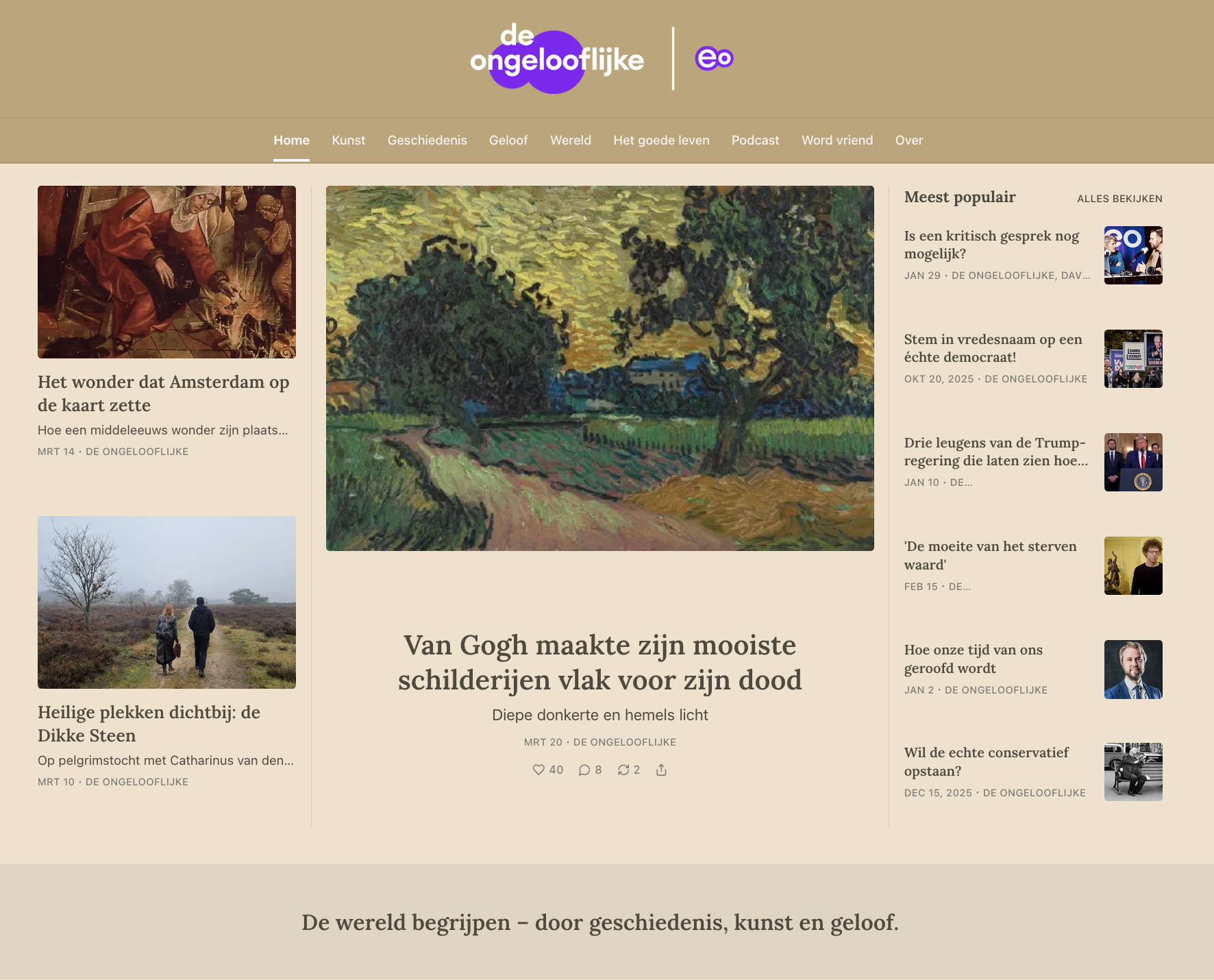
The most important decision the team made was structural: Substack would not become a derivative of the podcast. No transcriptions, no episode summaries. Instead, the platform features exclusive, original journalism, including essays, longreads and reflections that are mostly written by the show's creators or regular guest experts. This redactional integrity proved essential. Substack only works when it adds genuine value and feels like a place offering something unavailable elsewhere. With respect to their audience's time and attention, the team transformed Substack from a mere distribution channel into a genuine community hub.
Numbers do not lie
The results exceeded expectations dramatically. According to Jacob De Vries (Project Leader Journalism at EO), their starting projections were a modest 250 subscribers with a 50% open rate. However, against all expectations, they reached 8,000 subscribers within a couple of months and are now at 11,000 subscribers, with an average open rate of 60.7% and over 250,000 article views.
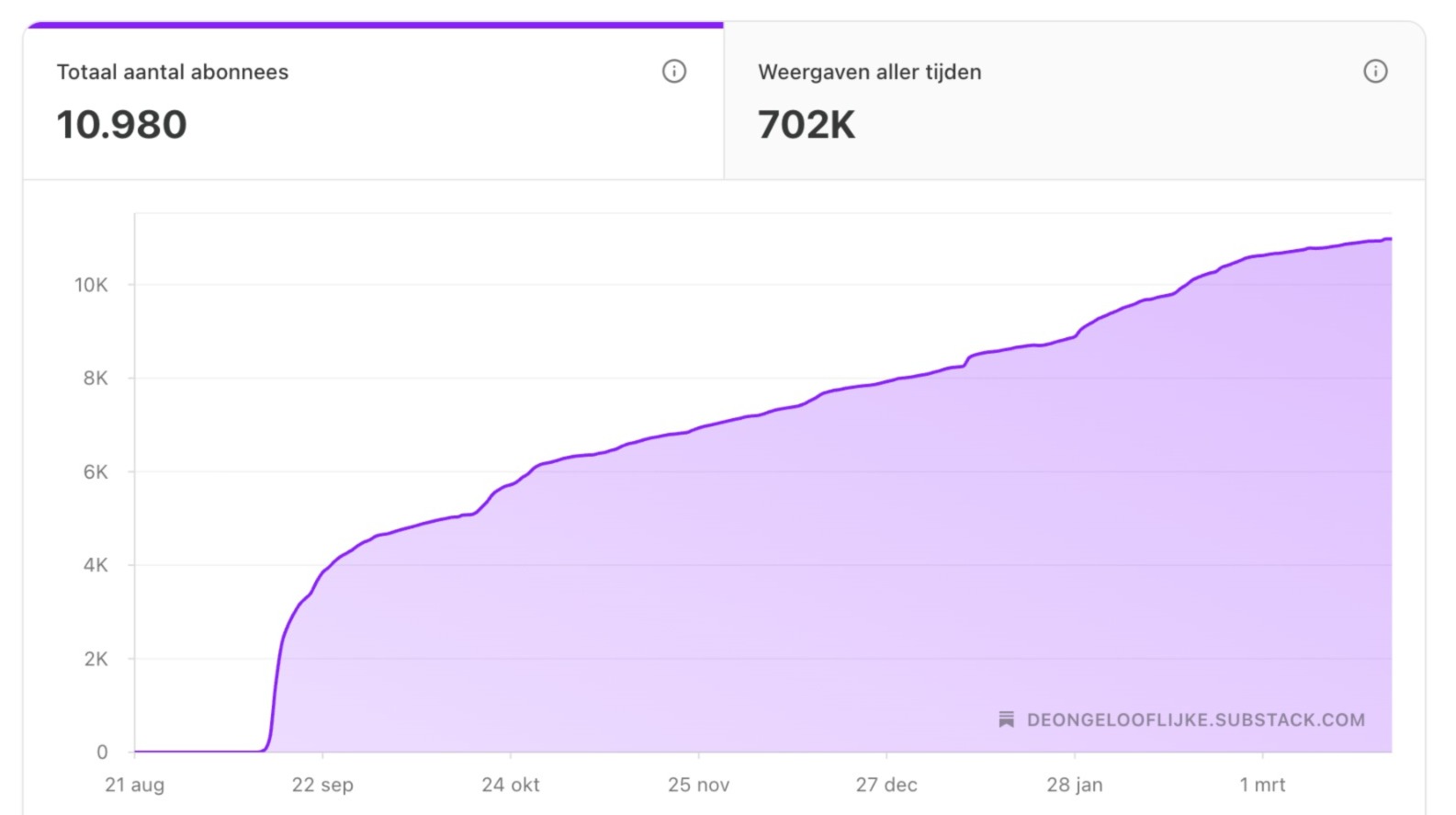
Next to these incredible numbers, they found something even better. Substack also functions as a discovery ecosystem. 47% of subscribers were completely new to the EO organisation and 19% discovered the publication through Substack's recommendation system.
Articles attracted far more readers than the subscriber count, which marks an important difference from traditional email newsletters. The team also experimented with Substack Notes, short posts visible to both followers and non followers, and quickly discovered clear patterns in what drove engagement. Provocative headlines consistently outperformed neutral ones, while quotes, visuals and direct questions significantly increased interaction. Video announcements also generated a substantial number of new subscriptions. By analyzing these patterns, the team refined its editorial approach and used the platform more effectively to attract new listeners to the podcast.
More than a buzzword
The most telling part is the genuine sense of community among the podcasts’ subscribers. Readers say they feel a part of something meaningful. Articles are being shared with friends, and people take their time to write detailed responses.
Remarkably, the team never used the word "community" in their communication. The audience adopted it independently. This ensures even more that there is an authentic connection between fans.
No cannibalisation, but an ecosystem
Financial impact (without it being a KPI) also appeared. Through the implementation of Substack, new recurring donors appeared, one-time gifts increased and there is an overall bigger willingness from the community to support the podcast financially. This was also affirmed during their live events. People became more generous because they wanted to take part in something trustworthy. This shift from consumption to participation only happens when people feel genuinely connected, when journalism makes them a part of something rather than something they consume.
Key takeaways
The success of this case doesn’t mean everyone should immediately launch a Substack. It reveals something more fundamental:
- Take your audience seriously.
- Invest in relationships rather than mere reach.
- Understand that platform choice is in itself an editorial decision.
In an era of algorithmic dominance and declining trust, direct relationships created by genuine content become extremely valuable. The experiment with De Ongelooflijke' showed that when you respect your audience's intelligence and time, they reward you with something invaluable: a genuine community.