TEC(H)TONIC CHANGES: A Transatlantic Dialogue on Innovation at SXSW

On March 13th 2023, Future Media Hubs joined forces with its international partners and brought together some of the brightest minds in tech at South by Southwest, where they explored the exciting possibilities of building virtual bridges across the Atlantic.
The schedule was packed with thought-provoking talks and discussions that raised some fascinating questions. What can Europe learn from the United States when it comes to innovation, and vice versa? What do we agree on? How do our attitudes towards privacy and data differ? And what about the power of public service media - can it compete with the almighty American platforms?
But that is not all we also delved into the metaverse, an ever-fascinating topic that continues to raise questions all over the world. Let us share some of the most inspiring takeaways from this afternoon with you!
European Ecosystems
During a discussion on the differences between the American and European innovation ecosystems, Evan Shapiro (ESHAP), Sander Saar (Consultant at Red Bull Media House, among other things) and Johan Oomen (Netherlands Institute for Sound and Vision) shared their insights. The conversation was moderated by Academy Award nominee Sten-Kristian Saluveer (Storytek).
Evan Shapiro highlighted the capitalist nature of the American media ecosystem, and how it can create the illusion that platforms like Netflix will dominate the broadcasting business forever. However, their focus on profit and shareholder value, which forced them to innovate in the first place, may now also cause their downfall. After having the power to choose where and when to watch, consumers now also want control over how to pay for it, leading to a constant struggle within the companies to avoid cord-cutting, which is the cancelling of subscriptions because you aren’t getting enough use out of them. In contrast, the European model often has a public service aspect to its programming, which ensures a more stable customer base. In Europe, there is now a greater opportunity to grow from a solid foundation, while in the US, big companies try to backtrack what’s already been done.
Despite these differences, there is also a massive opportunity to bring together European values and international platforms. The United States is a great place to directly export European content to, as American media has long underestimated the intelligence of its consumers. There is an untapped thirst for content in America that is not from America. For example, the French mystery TV series Lupin premiered on Netflix in 2021 and managed to reach 70 million households in just one month, showcasing the potential of exporting European stories to a worldwide audience.
The internet has drastically changed the way we create, distribute, and consume content, and it has also led to the emergence of new content creators and platforms. With algorithmic consumption, creators are no longer competing with their counterparts in other countries, but they are also competing with anyone who is creating content online. This means that the largest platforms like Netflix, Apple or Disney, despite their massive reach, are still reaching fewer people than YouTube.
Interestingly, the strongest intellectual property today is being built by creators, not traditional media companies. For example, MrBeast has built an entire business empire consisting of chocolate and burger joints from his YouTube channel. According to Sander, who has extensive experience in the area, a digital-first approach does not preclude building a strong franchise. By establishing a brand outside of the gatekeeper economy, the many authorities and people you have to bypass before you can contact someone with authority, and going directly to consumers, creators have a better chance of making the leap to a larger consumer base in the future. Overall, the emergence of new platforms and the increasing importance of creator-led content has blurred the lines between traditional and new media, leading to a shift in the way businesses approach content creation and distribution.
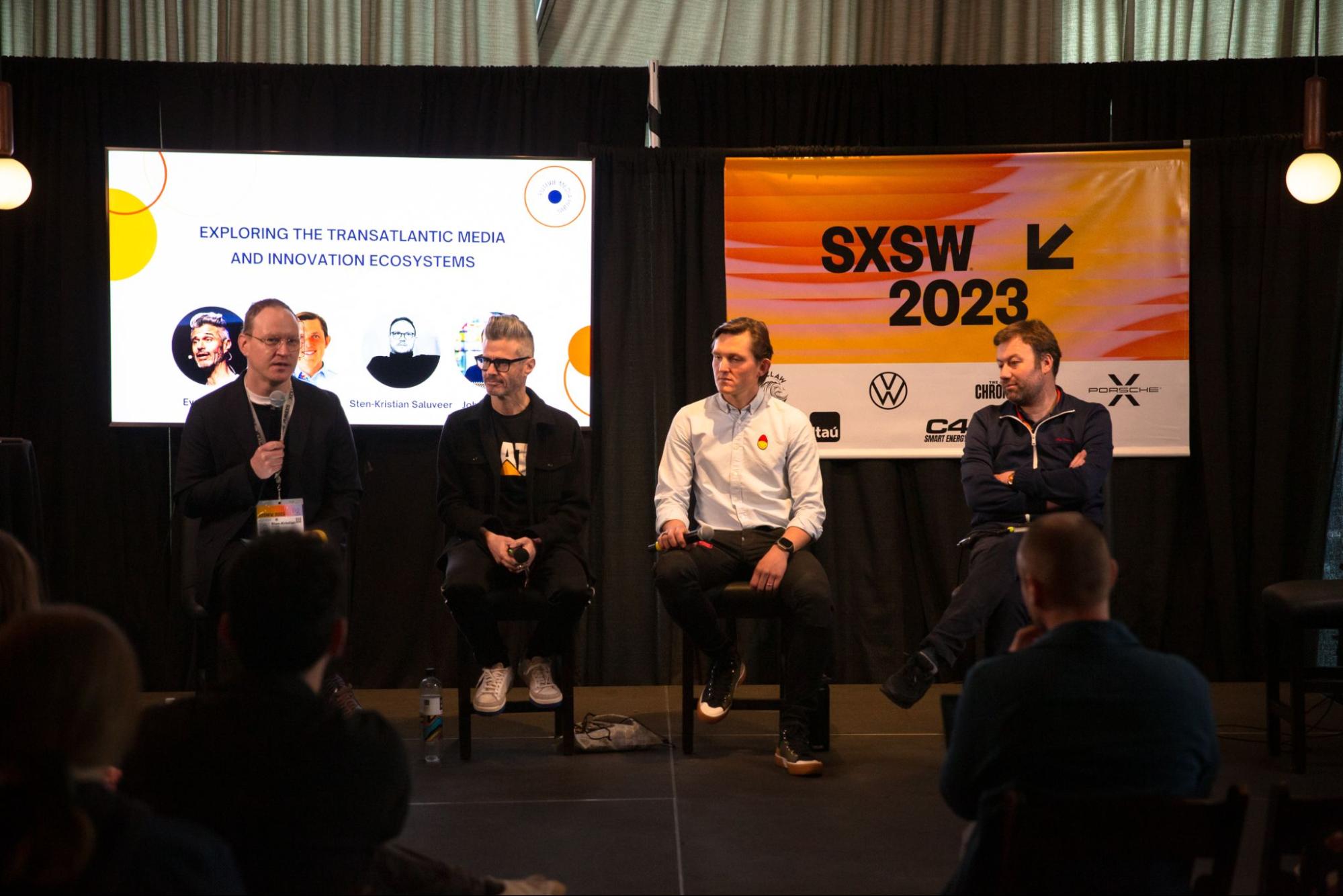
The drawback of this big, fast world is that misinformation and chaos can easily spread. The issue of misinformation primarily falls on for-profit companies who prioritise their revenue over protecting its users. In Europe, there is a greater focus on digital literacy across all age groups and social classes. However, Europe doesn't have the same social media power as the United States. Johan thinks that working on a pan-European scale could facilitate research data exchange between fact checkers and enable larger-scale investigative journalism.
In conclusion, there are significant opportunities for public service media in Europe if they work together and create single platforms with quality content offerings. We should also focus on bringing more European content to the United States since there is a demand for it, rather than worrying about the existing infrastructure. By leveraging global platforms to showcase our unique ability to create compelling stories we can share European content with the world. Let's not wait any longer and start taking advantage of these opportunities.
The Metaverse
Sofie Hvitved, senior advisor and head of media at the Copenhagen Institute for Futures Studies, emphasised the importance of meta literacy in addition to media literacy and urged us to cultivate a deeper understanding of the complexities of the metaverse and its possible implications, rather than getting lost in the hype of whether or not it is already here.
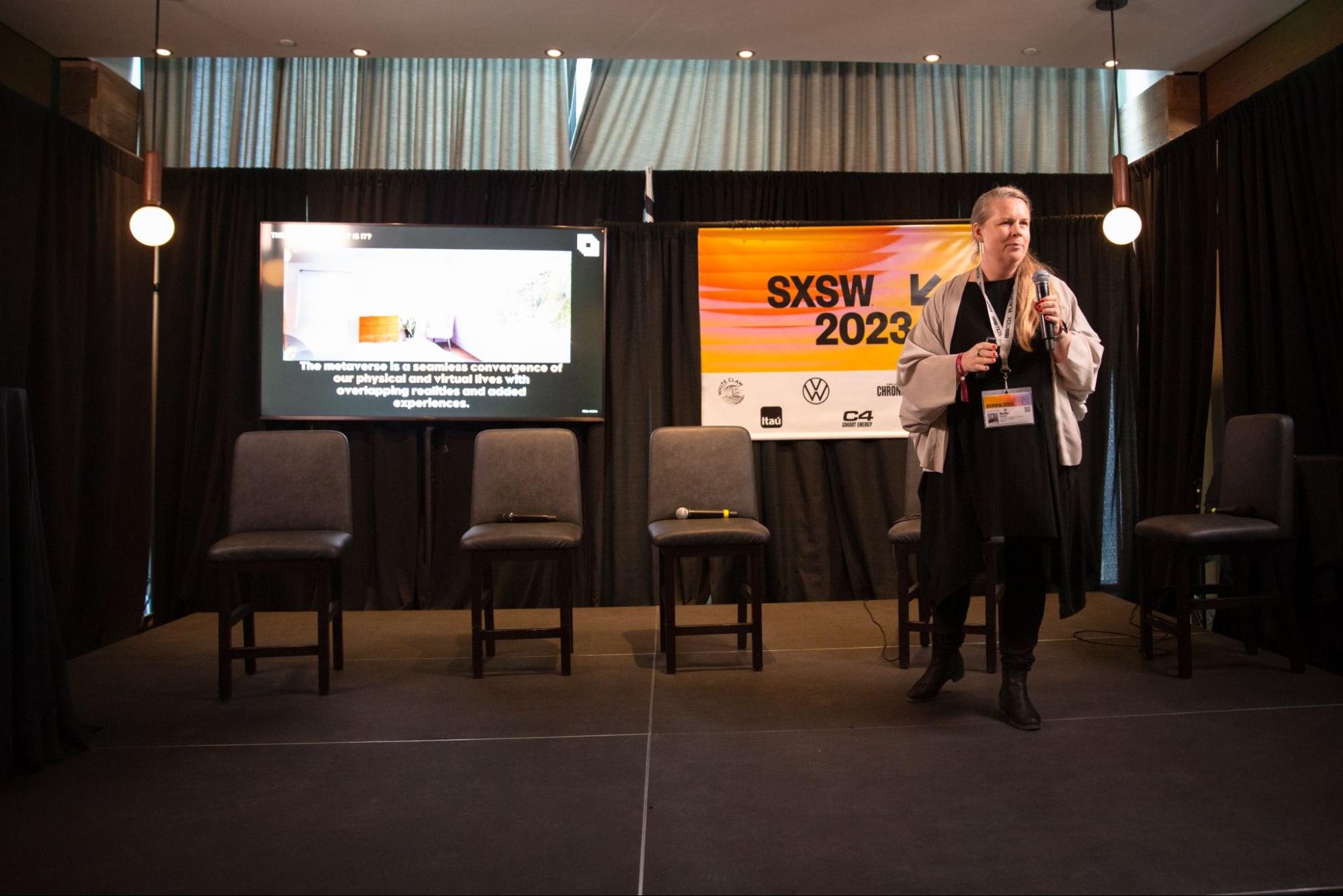
The rise of endless media generated by AI also raises questions about how users will understand what media is. Because if algorithms take on the role of both content producer and curator of information, how will this impact the industry? How do we ensure that both the media industry and the audience have the capabilities to navigate in the new virtual era? Other potential challenges in the metaverse include the unclear boundaries between virtual and physical realities, dissociating, digital poverty and polarisation, harassment, abuse and dark patterns, platform accountability, privacy, identity and secure data, and the question of who owns “the truth” in the metaverse.
Hvitved believes that there are still huge opportunities for public broadcasters and European media in the metaverse. She cites some examples of European media leaning into the future by experimenting with the metaverse. France Televisions, for example, created a virtual studio during the French Open that generated great interest from the advertising unit as a tool to mush forward storytelling about brands. Although the public’s reactions were divided, creating a “protected” space where public broadcasters safeguard the metaverse can help make the consumer more familiar with the concept in a safe way.
Another interesting project is The Nightstand, a sex education platform created by BNNVARA for LGBTIQ+ teens where they can safely learn about their ‘first time’ in Augmented Reality. The users are in total control of the story, and the concept has the potential to teach teenagers how to approach a scary topic as sex in a safe space.
In conclusion, Hvitved recommends to be curious and to dip our toes into the metaverse and also share our knowledge to create a better understanding of the implications of this new virtual era. It is important to establish a digital ethical compass and be aware of the possible consequences of the metaverse. Additionally, we should think about the long-term welfare of users instead of just focusing on clicks in the short term. By leaning into the possible futures, we can ensure that we’re prepared to navigate the complexities of the metaverse.
Data and Platforms
The question of who controls our online experiences is important and has been raised on both sides of the Atlantic. To seek answers, a panel was formed consisting of Eleni Sharp from the BBC, Ethan Zuckerman from MIT Lab, Osmar Olivo from Inrupt and Brittany Kaiser from Own Your Data Foundation. Moderated by Anssi Komulainen from Sitra, the discussion focused on data privacy aspects and alternative models for digital platforms.
One of the first topics discussed was Solid, a web standard for data and identity management that allows users to have some agency and consent over their data, providing them with visibility over who has access to it, what it is being used for and with whom it is being shared. The BBC has been experimenting with Solid for a few years now. In October 2022, the BBC launched an audience experience called “BBC together”: a watch party that ensures the total safety of all data that’s being generated. The project aims to be educational by encouraging users to review the data that was captured during the experience. The findings of this project reveal that people desire greater privacy and control, but that they also do not want to commit to the increased complexity that comes with it.
In Europe, a project such as “BBC together” is set up by a public broadcaster with the goal of educating and informing the public. However, the situation in the United States is different. Ethan told us that public service media in the US was only established when commercial media failed to serve the public, particularly children. This reflects a pattern in the US where it tends to realise that the existing market-based solutions are not working and thus builds something different to address the issue.
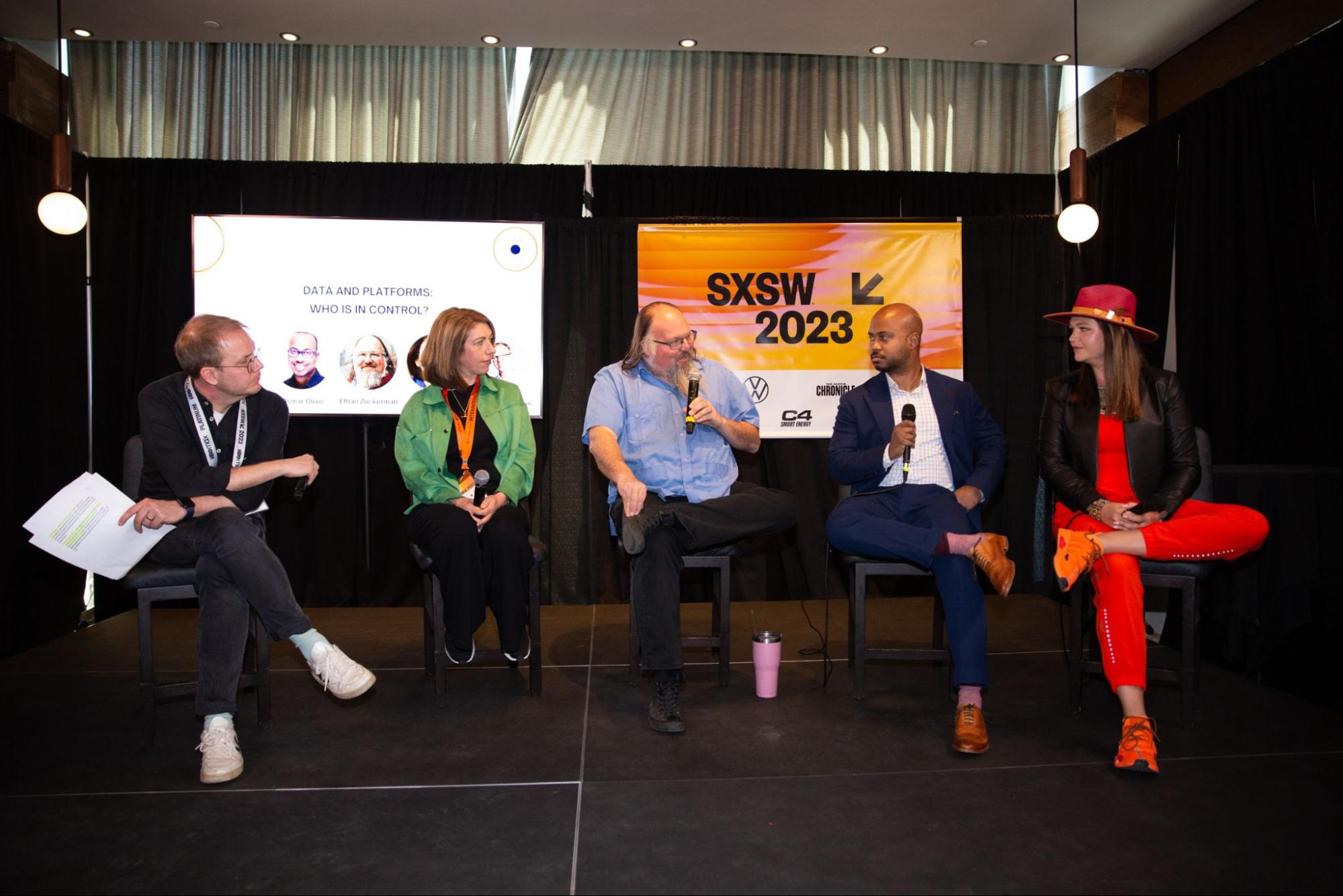
Brittany Kaiser has been a long-time advocate of the idea of data ownership: you own your data, just like you own your physical properties, and you can choose to share it anonymously for specific purposes that you explicitly consent to. Although this concept is feared by many companies because they think they’ll have to share profits with its users, consensual and organised data sharing can improve accuracy and create better products and experiences that people are genuinely excited about. According to Brittany, this is the basis of the web 3.0 movement: owning our data and sharing in the digital economy, just like other business models that exist today. In practice, this could be a monetary amount, but it could also be tokens or value within a platform that you can use for yourself.
So who do we trust with our data? Definitely not big tech companies, and opinions differ on whether the government is a trustworthy entity in this regard, with different views held in Europe and in the United States. However, it is clear that data brokering is poorly regulated and poses significant risks on both sides of the Atlantic. Ethan is sceptical about the proposed solution of creating a bigger market for private data and suggests that the way out of this situation is to give people more control over their data, regardless of whether it is through critical services or government funding. The general agreement is that we need to move away from a market-based system where everything can be sold to the highest bidder, and instead focus on establishing trust and consent between consumers and organisations. Europe has stronger privacy traditions than the United States and could be a more influential voice in this debate.
Moving forward, it is important to have a societal discussion about what types of data can be sold and to have a system of consent in place where users have the potential to monetize their data and receive a share of its value. A public service broadcaster can play a role in creasing data literacy levels within society and further this process.
Article written by Anne Vanoppen


