How Fandom Drives Modern Media Attention

On March 10th, people gathered around for Content Crossroads. This SXSW 2025 edition of Future Media Hubs and Eshap was dedicated to fostering transatlantic dialogues and innovation to unite the European and US media landscape and to shape a new media ecosystem. Evan Shapiro, media cartographer and host of the day, kicked things off with the first panel stating that fans are increasingly becoming more important than the media they use. The relation between a creator and its fandom is the new currency: attention and love. Anybody can generate a fandom, often leading up to millions of followers. This does not reflect an income of millions of dollars, but increasingly there is a democratization of the creator economy and fandom, and the way you can congregate fans around your content.
Looking at the influence of fandom in mainstream media, we see that Netflix is increasingly buying stuff off YouTube and brands are tapping into fandoms, for example Gap hired a hoodie influencer to design hoodies for them—yes, you’ve read that correctly. Why? Because fandoms have the ability to move audiences from one platform to another. The creator media is growing faster than the corporate media economy right now, but it doesn’t have to be one or the other. Neil Waller (Co-founder & Co-CEO at Whalar Group), Lydia Daly (EVP Audience and Marketplace Intelligence at Paramount Advertising), Julie Piskin (Head of Global Partner Programs at Roblox) and Nicolás García Hemme (VP Strategy & Business Development at LALIGA North America) will dive into the new rules of fandom in today’s creator and corporate media economy.
The Matcha Mob
The first use case describes how you can leverage the power of creators and fans. Ashley Alexander is a YouTube creator with 1.5 million subscribers who decided to build her own matcha tea brand in 2024. While building the brand, she got 48,000 superfans called ‘the Matcha Mob’, gave them behind-the-scenes content and involved them in the tea building process. Because of this powerful fan base, the product sold out in less than 3 minutes online and led to 1500 visitors, who all knew and wanted to hang out with each other to support her, in the New York pop-up store in one day. Putting the economics around this, it led to half a million dollars of revenue, which in the matcha industry is quite big.
The movement from audience to community is the major difference between the last era—corporate media economy—and the creator economy. It’s this community driven tool where creators have the freedom to just build content and a brand in a community-first way as soon as they have an idea, often leading to immense success. And it’s not just the creator talking to its fans, but fans being each other’s audience as well, hanging out and sharing experiences with each other.
So, the economics of fandom are different than that of the traditional media. Creators account for 40% of all online consumption and account for 3.6% share of digital ad budgets (Statista 2023), leading to a huge gap and immense economic opportunity. But the success of fandom lies not in having a huge fanbase like Mr. Beast, instead it’s about the depth of passion that you can activate within the community that generates revenue. There is a financial opportunity to grow a business as an influencer in this creator economy and some will lead to bigger revenues due to fandom’s telescoping ability to reach audiences outside of its main fan base.
But how do you reach beyond your original fanbase and make sure it’s not a one-time-stop that the community doesn’t care about? The sports and podcast community are interesting examples to look at, because you’re not just looking at the fans of a specific team or podcast, but also at the people that surround it. Take for example your favorite podcast show that you listen to every week. You’re a fan of the show, but when the show brings in different speakers, it also brings in new audiences. It’s happening naturally and organically, but people are not yet seeing this untapped fanbase as a network to tap in to yet. These newly acquired audiences will probably not be the ones spending money on your brand like your core fanbase will do, but the reach of this fandom can turn into a marketing muscle and has the ability to move audiences to communities that will spend.
The game sphere as a creator economy platform
Popular K-pop group Twice wanted a place where people could come together and celebrate their fandom in a creative, immersive environment in an authentic and engaged way. Instead of asking their fans to come to a new place, TWICE tapped into the potential of the creator community and went to the place where their audience already is: Roblox.
They took the theme of one of their most popular music videos—YES or YES—and recreated it in the immersive world. Users can purchase plushies in TWICE Square and acquire emotes—animations emotions—to do the choreography of TWICE in the music video. In 2023 and last December, TWICE even engaged with their audiences on Roblox by organizing virtual meet and greets. Within a week after the second meet and greet, you could even see a 6.4% global increase in on-demand audio streaming off-platform, meaning an increase of 2.6 million streams, according to Luminate data.
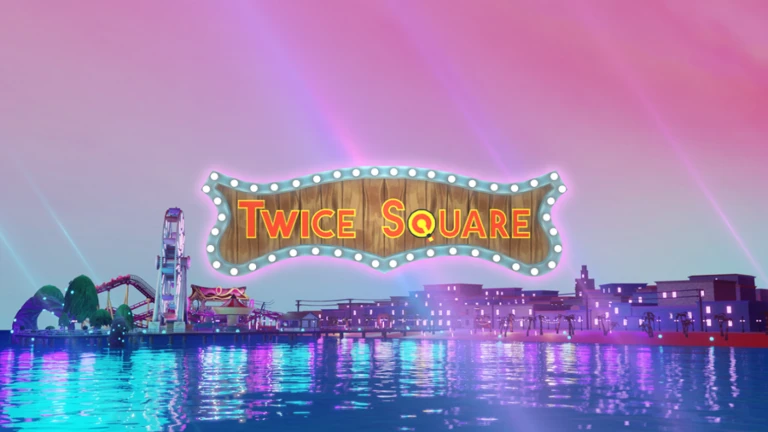
Roblox: TWICE Square
TWICE Square shows that if you concentrate on what the fans want, listen to them and meet them in a place where they already are, you can generate an immense success that creates impact even beyond your original fandom community. Roblox has the potential to bring in new fans to your community because of the unique play aspect of the platform. So, if you have a piece of intellectual property (IP) that has value and a certain level of community and engagement, you must understand all the elements of the fandom and create a (gaming) experience around that IP.
The Yellowstone multiverse
Research and insights are the cornerstone of all Paramount series. Yellowstone tapped into the resurgence of Old-Timey Jobs and built a fandom around trends and areas of interest that resonated with their audience—and it worked. Because of Yellowstone’s success, people wanted to experience the cowboy lifestyle themselves and tourism in Montana increased massively while it was running on air. The University of Montana estimated that the show generated around $830 million of revenue for the state every year based on the additional tourism it generates. Furthermore, country music has grown 283% in streaming since Yellowstone was launched in 2018. A massive show with huge fandom can have wide-ranging impact on brands associated with the show, whether it’s music streaming, tourism or even car sales. By focusing on brand activations and strategic campaigns, programmers can harness fandom to generate ad revenue all the way down the marketing funnel. For example the ads from Tractor Supply Co., Tecovas (western boots & accessories) and Delta were chosen very thoughtfully and purposefully to align with the content and reflect fans’ interests.
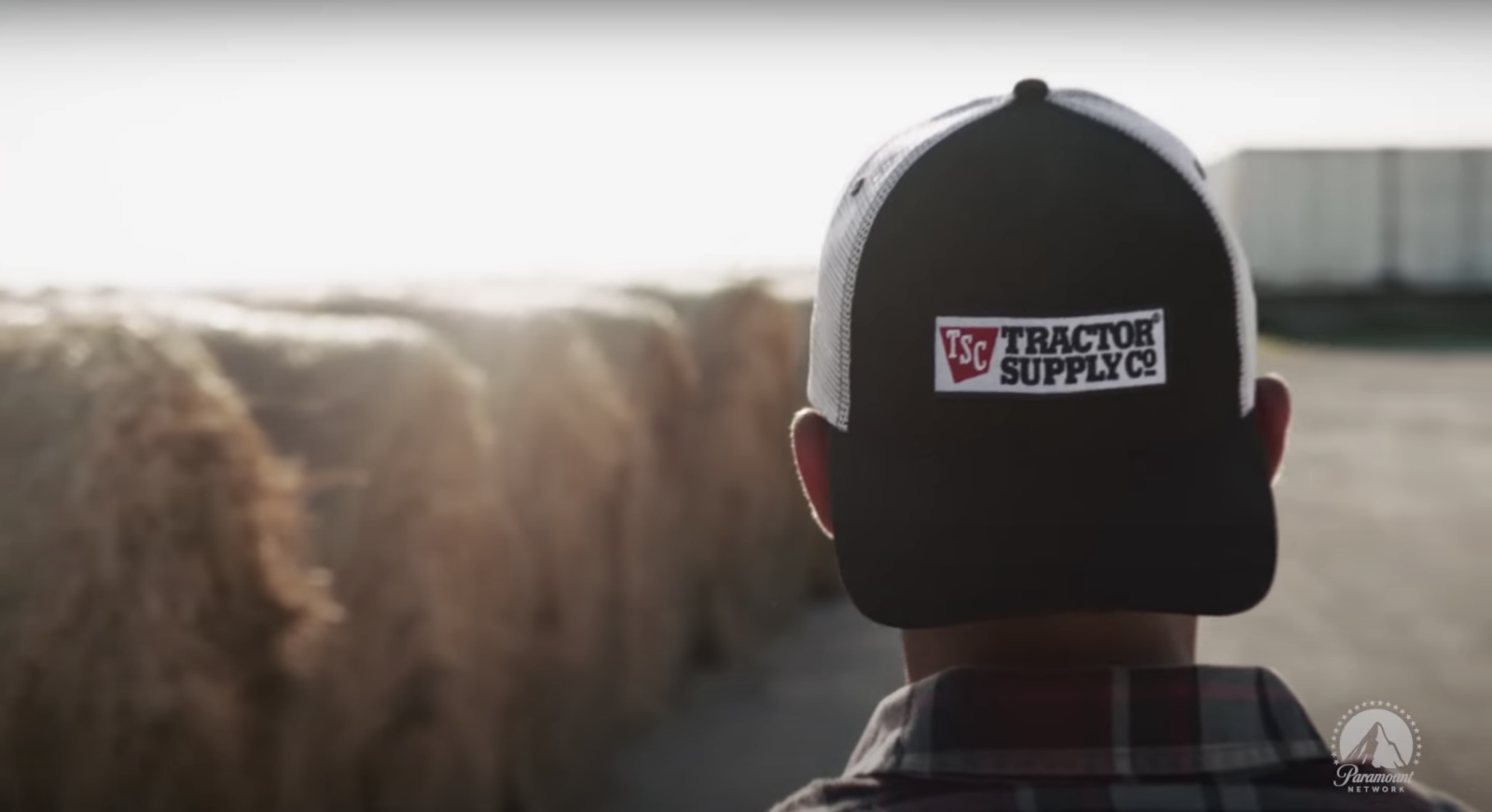
Shorty Awards: Tractor Supply x Yellowstone
Lastly, expanding the ecosystem is key when building a fandom culture, not only in social media—where both Paramount and fans created instant memes and content around the show—but also in the creation of completely new content that surrounded Yellowstone. Paramount specializes in laying the foundation for and sustaining fandom by really embracing other platforms that they don’t own or operate. Even though the show ended last December—with the season’s finale being watched by around 14 million viewers—the fandom community still lives on in the multiverse that surrounds Yellowstone.
Expanding the fandom
In 2018, LALIGA expanded to the US through a joint venture with Relevent Sports Group. But in order to engage with their fervent sport fanbase, they couldn’t just set up an office in New York and assume that’s all they had to do. Instead, they had to invest in the fans and be present in the long-term.
Through a 5-pilar based approach, LALIGA made sure the US, Canada and Mexico fandom has a place to go to. They started with adapting the content from a Spanish mindset to the North American one by setting up a studio in Guadalajara, Mexico, that is only focused on creating content around the teams and games that is specifically tailored for the North American market.
Next, they look at events and activations to get closer to the public. Since LALIGA is the official football league in Spain, they can’t just sell game tickets for the weekend like they would do in Europe. Instead, they brought fans as closest as they could get to the game by organizing live watch parties and other activations. Each football season, 40 activations across 10 big US cities are happening to engage with their audience and make them feel closer to LALIGA and the game. Furthermore, the third pillar focusses on grassroots players by organizing LALIGA camps, talent identification and offering coaching education courses for young kids, giving them an international experience in Spain and help develop the next generation of the game.
In the fourth pillar, which is commercial, LALIGA North America carries out every initiative sustainably, adopting a business mindset and engaging with various brands to create a greater impact on the LALIGA US strategy, while helping their partners to fulfill their goals. For example, McDonalds wanted to tap into the grassroots, so together they ran 8 free summer camps in Hispanic and underserved markets where kids don’t have the opportunity to connect with LALIGA. With this strategy in mind, the LALIGA North America operation has proven to be highly sophisticated, achieving profitability since the third year of the joint venture.
The fifth and most important pillar is media: your fandom can only work if you have a good and accessible distribution strategy. So LALIGA teamed up with ESPN for the largest international media rights deal and ensured that all 380 matches are available on ESPN+, with 9 to 10 matches aired weekly on ESPN Deportes to maximize reach. This way, Disney—who owns ESPN—engages a very active, non-churning and long lifetime value fanbase on their platform.
Conclusion
The biggest thing we learned in this panel, is that it’s all about creating the multiverse around your content and the cross-pollination between content and platform. Creator Ashley has her matcha tea, her YouTube channel and her Matcha Mob that supports her. Roblox is a universe for a lot of brands and individual talents. Yellowstone has driven everything from tourism industry in Montana to the cowboy core trend, fashion and lifestyle choices and a whole ecosystem of adjacent programming. The key is to set up your own means and then let the fanbase take over.
But fandom can’t be achieved with a marketing stunt mindset. True fandom requires real, long-term investment, both in the market and in the fans. Media brands should create an integrated marketing campaign that is informed by research and insights and that reflects the environment of the content. There’s much more than the minutes of your content, there is a whole cultural effect around it that is part of fandom. The unifying factor here is authenticity: a real, respectful relationship between the creator and the fans themselves.
To delve deeper into these discussions and gain valuable insights, watch the full session here.