The potential of AI in media

Satu Keto (Innovation Lead) and Tove Mylläri (Team Lead Experiments & Collaborations) from Yle, the Finnish public broadcaster, unveiled the potential of AI in the media industry. What’s the game-changing might of AI, its influence on businesses, and the innovations shaping the media's future? But first things first, what's AI all about? It’s an umbrella term for the use of machines, devices, programs, and services that can operate sensibly in accordance with various tasks and situations. AI is often compared to human intelligence, but it's crucial to recognize that AI, akin to human thinking, doesn't exist. With that in mind, let's explore the world of AI in the media.
The Impact
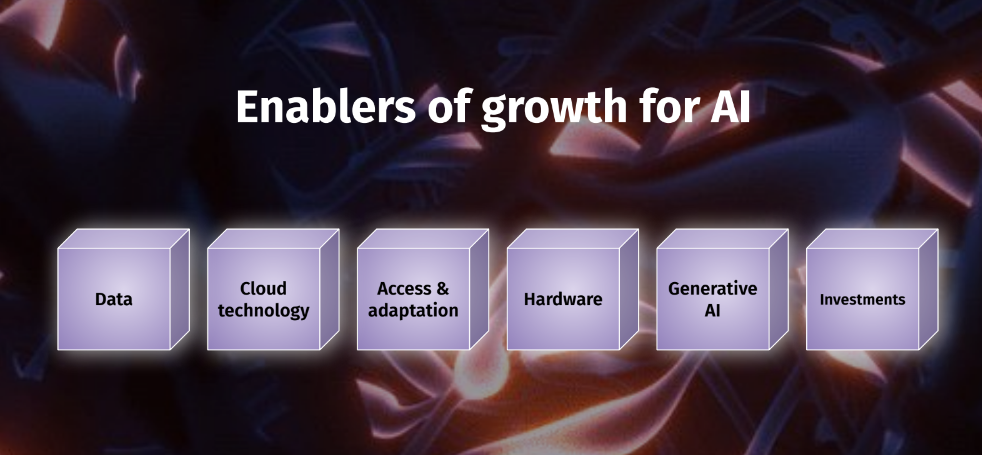
The potential of AI in media is substantial. AI systems can reduce costs, free up time for critical tasks, offer faster and improved services, and pave the way for new innovations and digital business opportunities. This transformation has significant implications for businesses and the workforce. Over the next five years, 83 million jobs are predicted to be lost, while 60 million new jobs will emerge. This structural shift in the workforce will involve a total of 152 million job transitions. Companies are worldwide in a race to dominate and adapt to this transformation, making AI and tech literacy fundamental to remain in business.
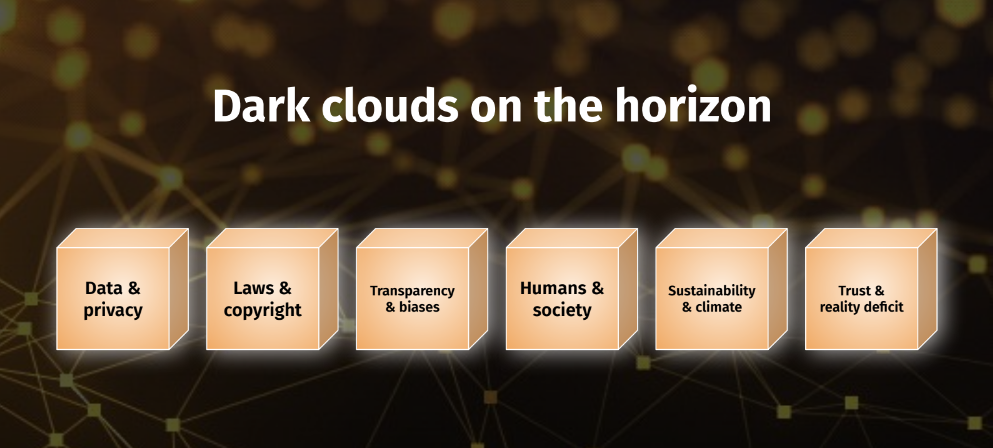
Despite the potential of AI, every medal has its reverse. Privacy concerns, data quality, and potential biases are emerging issues. In an age where AI is increasingly integrated into our daily lives, safeguarding personal data and ensuring unbiased decision-making is crucial. Moreover, the legal framework is evolving rapidly, policies are being developed to address ethical and liability issues related to AI systems. Last but not least, AI has an environmental cost, primarily due to the substantial computational power required for training and running AI models. Sustainable AI practices and energy-efficient solutions are crucial to manage these environmental impacts responsibly.
Yle Cases
What is trending right now? Let's dive into four AI cases from Yle. First up there is the Ukraine New Service. The newsroom was created in response to the Ukraine Conflict to test how AI can enable quick and efficient news reporting of global events. Due to AI the newsroom was rapidly operational in contrast to traditional newsrooms that can take months to establish. Next in line is the GenZ Platform Pilot. The project is focused on the creation of synthetic hosts and explores the possibilities of AI for marketing purposes. This represents a leap forward in content creation and brand promotion.
Further, YLE experimented with audio deepfakes. The project convincingly replicates the voice of a radio presenter. This underscores the ethical concerns and the potential misuse of AI-generated content. Last but not least, they used an AI judge to assess violin performances, resulting in rankings that differ from human judges. This exploration of AI's potential in art analysis highlights how AI can introduce new perspectives into traditional domains.The cases show how the implementation of AI tools can lead to enhanced productivity and streamlined processes. In addition to automation, AI makes hyper-personalization of content possible, enabling businesses to stand out in a crowded marketplace.
Learnings
What are the lessons learned concerning the potential of AI in media? Firstly, it’s important to invest in tech and AI literacy for your workforce, ensuring that your team is well-equipped to work effectively. Secondly it's crucial to hire new talent with expertise in AI-related fields, as their skills will be invaluable in driving innovation and staying competitive. Thirdly, optimize your processes with AI at the core, emphasizing the creation of value. AI can streamline operations and enhance content production, ultimately improving your organization's efficiency and quality. Lastly, foster collaboration with others in the industry and engage with your audience. Collaborative efforts and audience engagement can lead to fresh ideas and a deeper understanding of what your audience truly values. One thing is for sure, the AI fast train brings both opportunities and challenges.


